
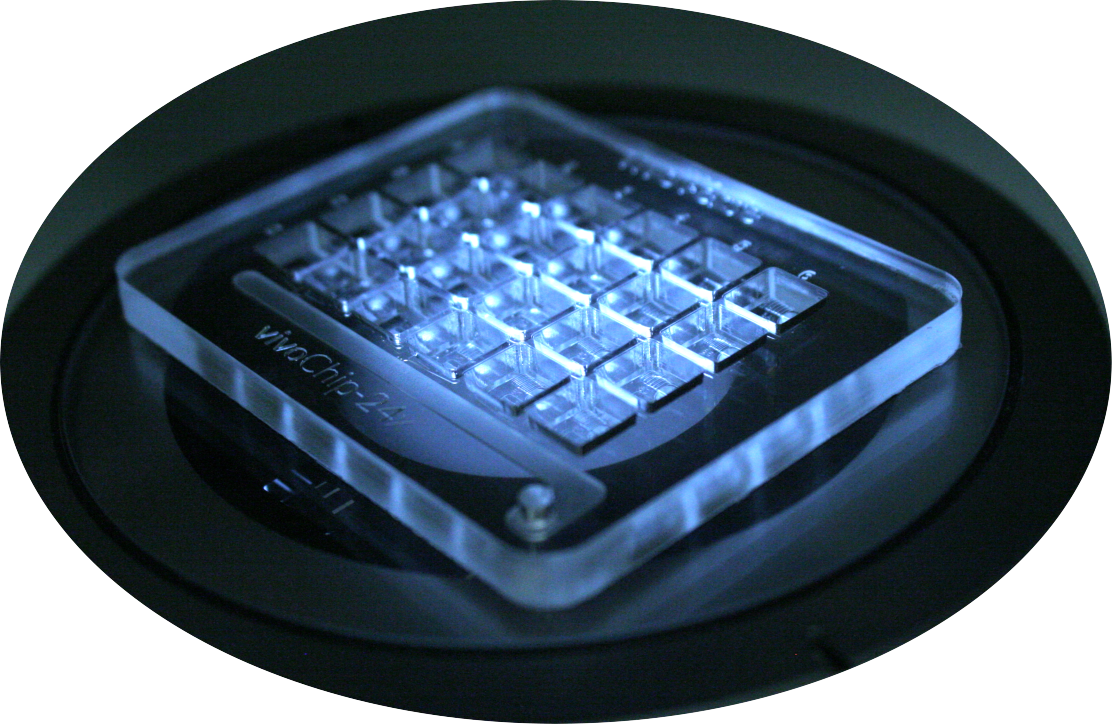
vivoChip-24x®
High-Throughput C. elegans Imaging Solution
Interested in purchasing vivoChip-24x devices? Request a quote →
The vivoChip®
C. elegans in vivo Imaging Solution
High-Resolution High-Content High-Throughput
C. elegans are an excellent tool for phenotypic screening of chemical libraries for drug discovery and toxicology, genetic screens, and human disease modeling. However, traditional techniques are unable to rapidly gather the high-resolution imaging data needed to screen large libraries.
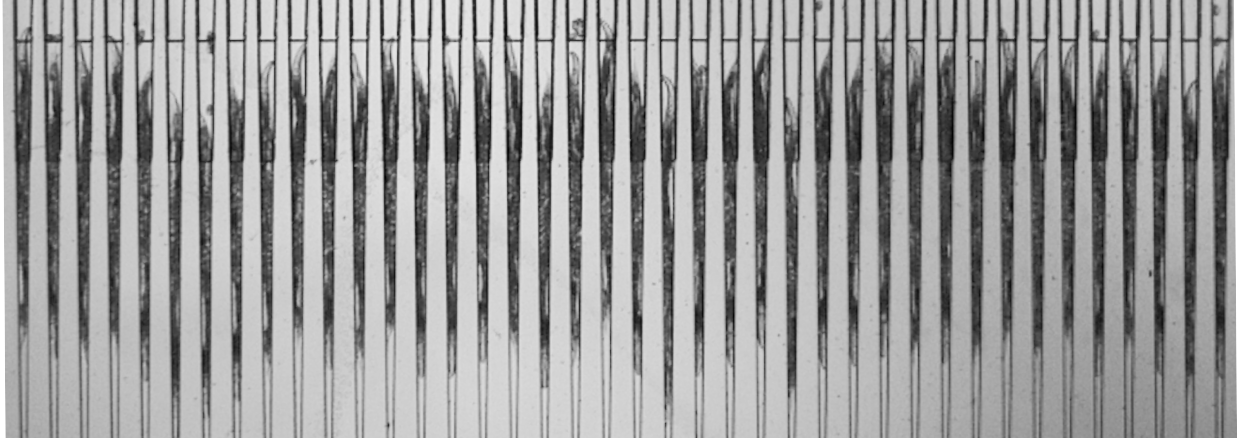
vivoVerse’s solution: the vivoChip. A simple-to-use microfluidic device that allows anesthetic-free immobilization of up to 40 C. elegans or other nematodes for high-resolution imaging in any microscope.


What is the vivoChip-24x®?
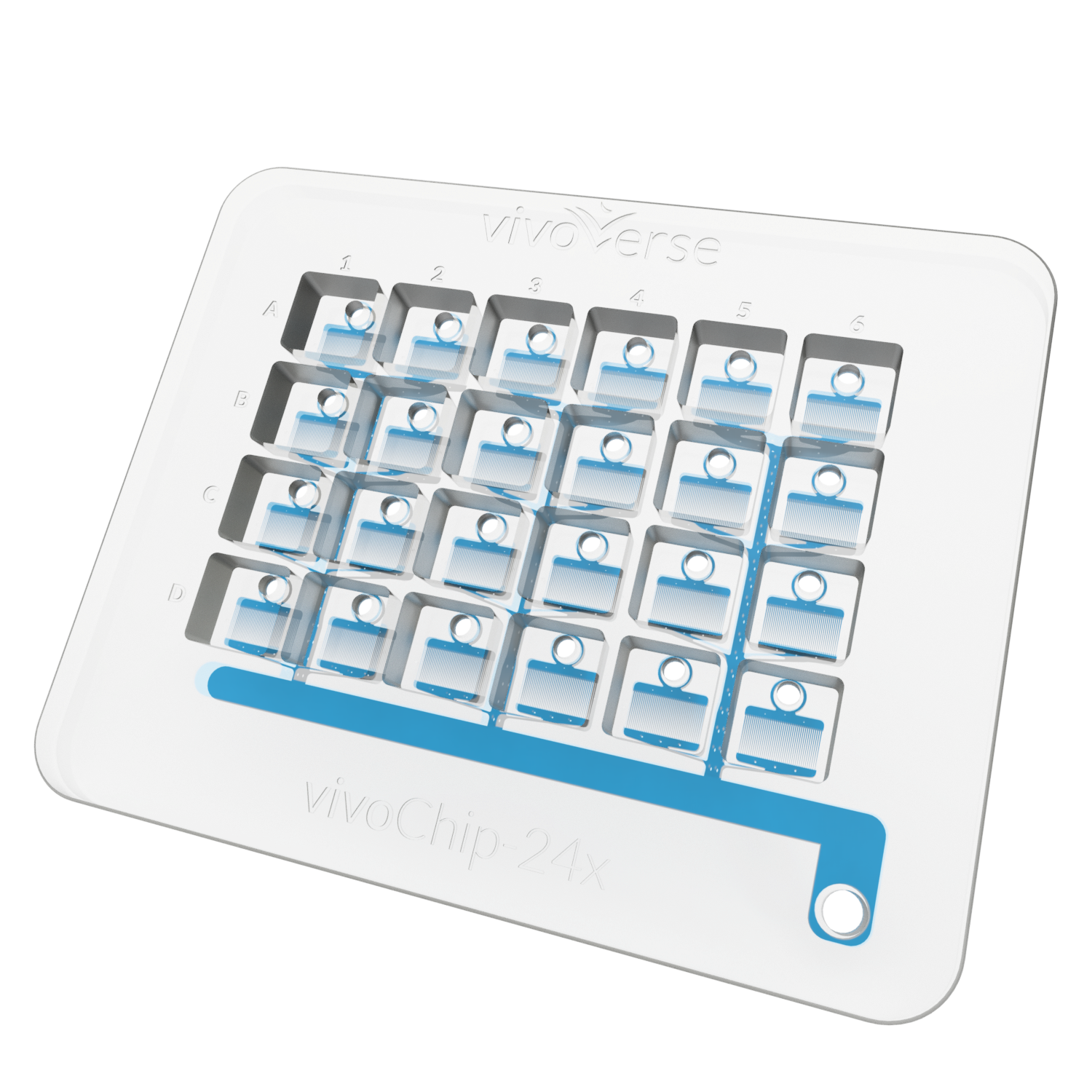
The vivoChip-24x is a large-scale version of our microfluidic device designed to trap C. elegans. This device immobilizes 960 whole organisms across 24 populations in minutes. The C. elegans are laterally oriented for high-resolution, high-speed imaging. The vivoChip-24x enables high-content imaging and AI-assisted data analysis for high-throughput studies.
Request a quote ->Two Designs for Different C. elegans Sizes
vivoChip-24x-L4 is designed with narrower microfluidic channels to immobilize smaller C. elegans, from approximately the early L4 stage through young adulthood.
vivoChip-24x-D1 uses larger channels optimized for Day 1 adult C. elegans, including reproductive adults carrying in utero embryos. Together, the two designs enable high-resolution imaging across a broader range of C. elegans sizes and experimental conditions.
Request a quote ->vivoDARTTM
Rapid Quantitative Toxicology
vivoDART is a high-content toxicology assay that evaluates key developmental and reproductive endpoints in C. elegans.

Developmental Toxicity

Reproductive Toxicity

Motility and Viability


